Deliver exceptional shopping experiences
By 2026, it’s estimated that 90%+ of global retail payments will be cashless. That means that you need to deliver a frictionless retail experience to build trust, compete against online shopping, and personalize the retail experience. Here’s how Cellular IoT can help.

Power your retail business with Cellular IoT
Ensure that transactions can be processed quickly anywhere, regardless of the POS device
Build once and deploy in any market around the world
Power retail analytics and inventory management with real-time customer data
—Luke Saunders, Founder and CEO, Farmer's Fridge

“The ROI with Hologram has been exceptional. We were able to cut our IoT bills in half.”
Luke Saunders
Founder and CEO, Farmer's Fridge
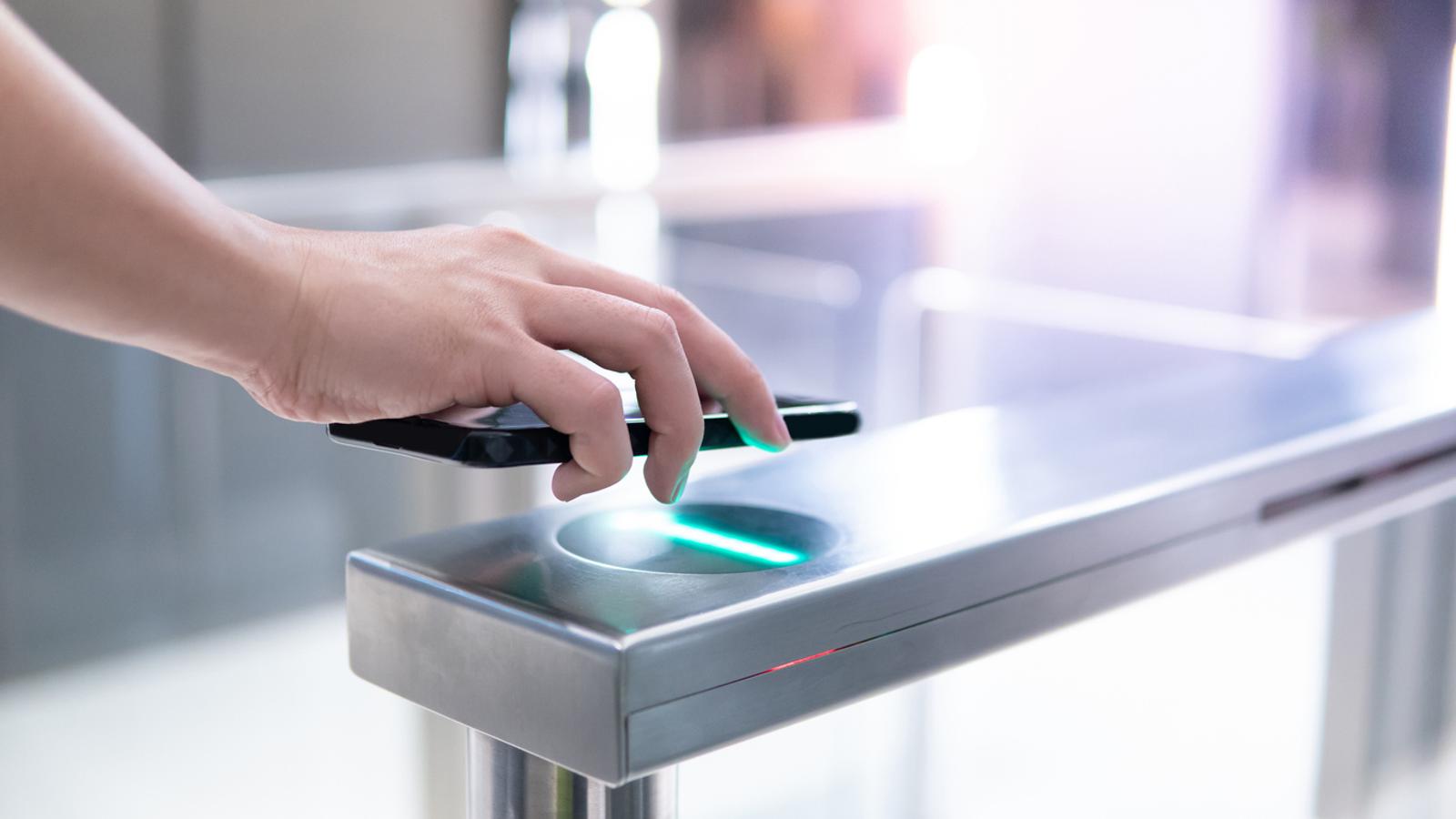
Mobile POS
Long lines and flaky Wi-Fi creates customer dissatisfaction and abandonment. Cellular IoT ensures that payments can be processed quickly – anytime, anywhere. Mobile POS devices enable retailers to offer customers more choices and shorten wait times. With that flexibility, it’s no surprise that the POS market is estimated to grow at a 11% CAGR from 2023-2030.

Kiosks and vending machines
Vending machines and kiosks deliver the 24x7 convenience that shoppers need, like drinks in entertainment parks or check-in stations at airports. Cellular IoT makes connectivity easy with remote activation and no reliance on Wi-Fi access or passwords.

Cashierless shopping
As retailers look to reinvigorate shopping, cashierless stores are taking off. These attendant and POS-free stores offer frictionless checkout. IoT tracking devices record customer selections and customers are charged upon exit. Cellular IoT enables these stores to be quickly established anywhere.
Inventory management
Smart shelves powered with IoT sensors can indicate when products need to be restocked for more effective inventory management. Retailers can also use digital signage to make real-time pricing adjustments thanks to enhanced inventory management with the use of Cellular IoT.

Smart transit
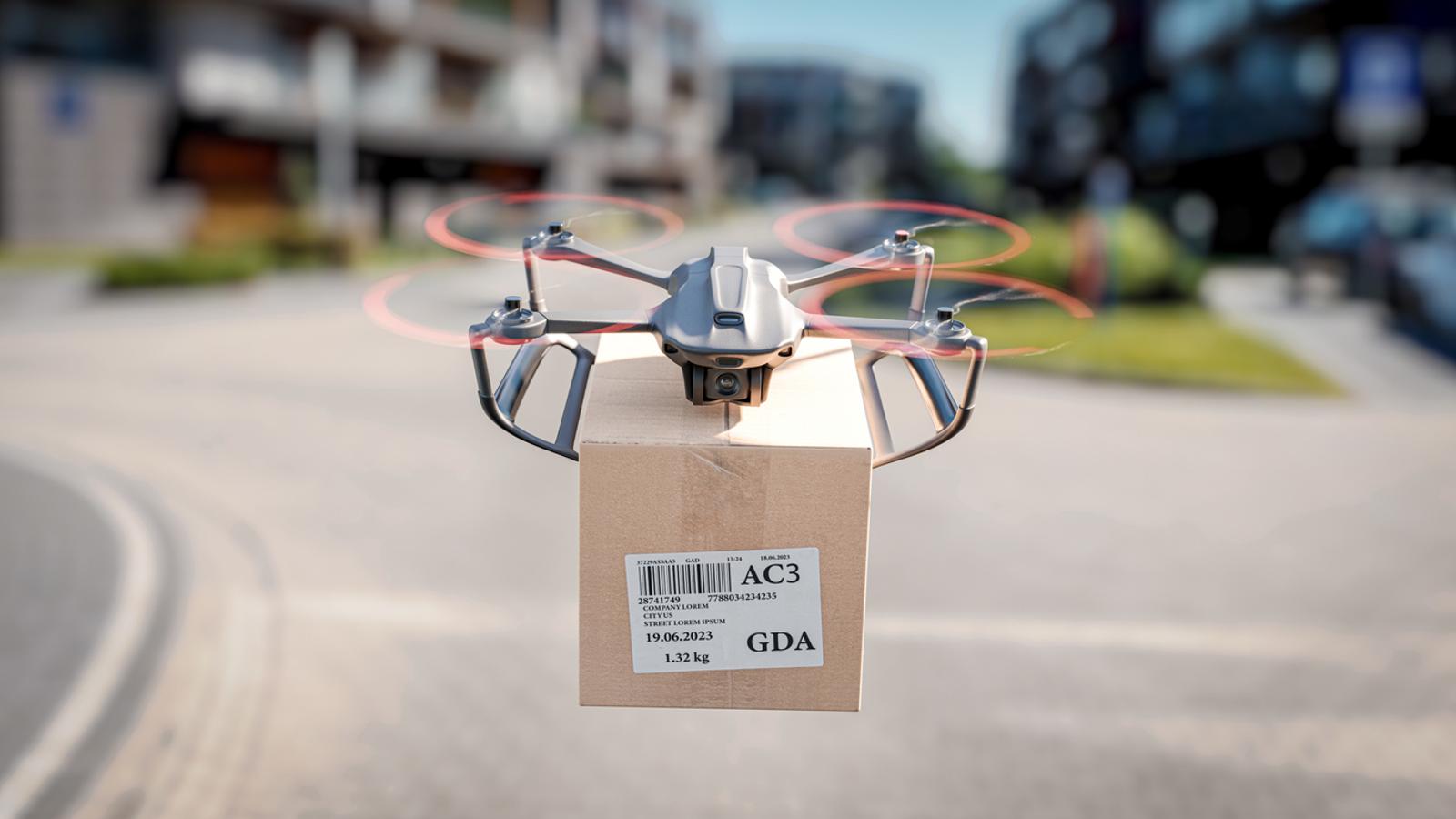
Smart sensors powered by Cellular IoT provide retailers with detailed information about product transit time and environmentals (like temperature and humidity). Real-time tracking ensures customers have accurate information on product delivery status. Autonomous robots and drones provide last mile delivery.
Health and safety
To protect the health of employees and customers, retailers can leverage IoT-powered devices to monitor air quality, flow, and humidity. Cellular IoT-powered devices can be installed anywhere - warehouse, stock room, or on the retail floor - with no reliance on Wi-Fi networks.

Loss prevention
With Cellular IoT connected video cameras, retailers learn trends and identify behaviors outside the norm to help with loss prevention. IoT sensors can also be used for geofencing that can identify when products leave certain areas of the store.

FAQs
When does it make sense to have Cellular IoT and Wi-Fi for my retail business?
Many customers find that the collaboration between these two connectivity methods is ideal for their business. Wi-Fi provides fixed device connectivity and also can power data intensive connectivity like video streaming. Cellular IoT is perfect for mobile devices and offers connectivity with multiple networks for roaming. Plus, Hologram’s industry-only Outage Protection SIMs offer multiple cores for guaranteed connectivity, whether for primary connectivity or back-up for Wi-Fi. Learn more in this blog.
How much does a Cellular IoT solution from Hologram cost?
Hologram offers flexible pricing tailored around the unique needs of your devices. We offer competitive data rates based upon low or high data usages. We offer multiple plans for our SIMs, allowing our customers to select the features, services, and support that best meet their needs. Please connect directly with our sales team to answer any questions.
We are planning a global roll-out. What can we do to make sure that the devices are problem-free when they arrive?
Hologram Test Mode offers free test data, so you can ensure a smooth deployment and minimize costs by testing devices before they ship. Plus, Test Mode automatically associates your SIMs with your account and displays them right in the Dashboard with no need to scan barcodes or type in the ICCID.
Innovate payment solutions and more
Our robust coverage ensures your device will work right out of the box with zero end-user setup or configuration.
Our Outage Protection SIMs automatically fallback to a 2nd mobile core for guaranteed availability.
A single source of truth for your operations – any size fleet, anywhere in the world, anytime.