Stay connected where cellular can't reach
Satellite connectivity reaches where cellular can't: open ocean, remote farmland, mountain corridors, and off-grid environments. Hologram helps IoT teams plan and deploy hybrid satellite connectivity the right way.
Satellite reaches open ocean, remote wilderness, and cross-border routes with no tower.
Cellular first, satellite fallback. Hologram helps teams plan and operate both on one SIM.
Satellite has real constraints. Hologram's engineers are here to work through them with you.
Where towers end, satellites begin.
Satellite and cellular are complementary, not competing. Cellular thrives in cities and dense areas. Satellite thrives in remote environments where towers don't exist and coverage gaps are structural. For devices that occasionally venture into dead zones, a hybrid architecture gives operators continuous visibility without replacing a working system.

Designed for devices that transmit little and matter a lot.
Today's satellite IoT is optimized for low-data, infrequent transmissions. Location pings, status updates, small telemetry payloads. High-throughput streaming and dense device clusters are not the right fit. When matched to the right use case, satellite IoT is genuinely powerful for maritime, agriculture, energy, and long-haul transportation.
Build hybrid connectivity that lasts.
Advances in LEO satellites and 3GPP standards mean devices can now switch between cellular and satellite on the same radio hardware. Getting the architecture right from the start saves significant cost and rework down the line.
Talk to an IoT expert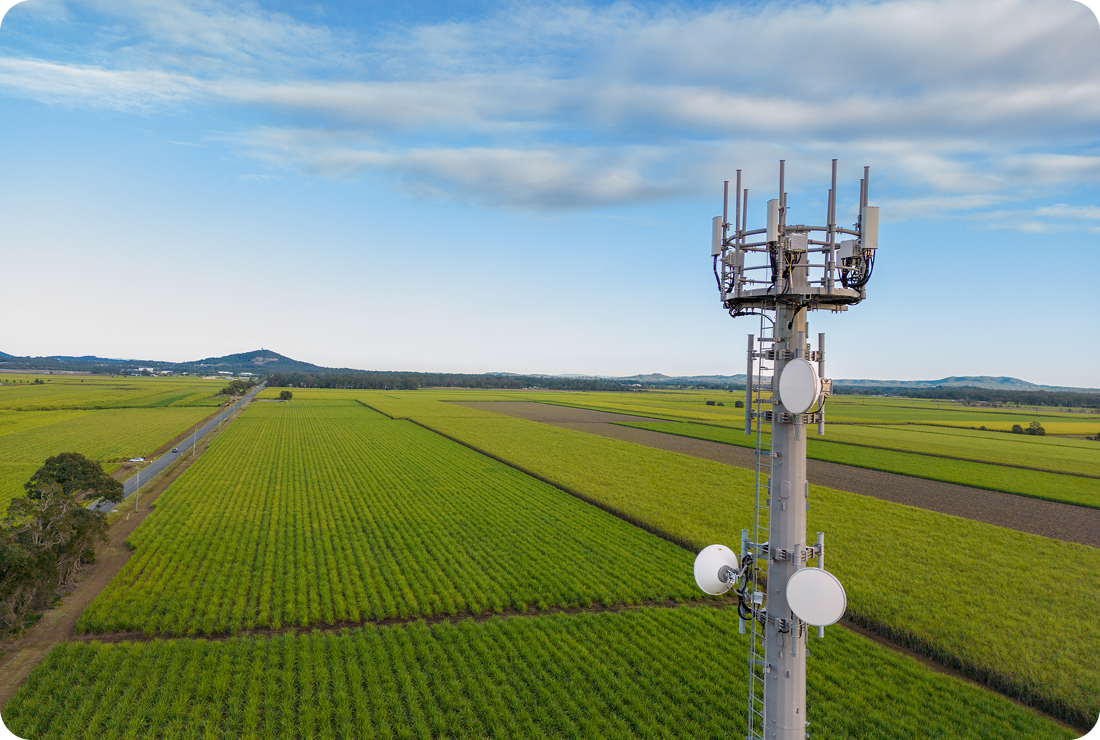
Satellite IoT is transforming remote industries
Maritime and energy
Vessels at sea and infrastructure in remote regions need connectivity with no reliable tower in range. Satellite keeps devices online for tracking, environmental monitoring, and safety alerts.

Smart agriculture
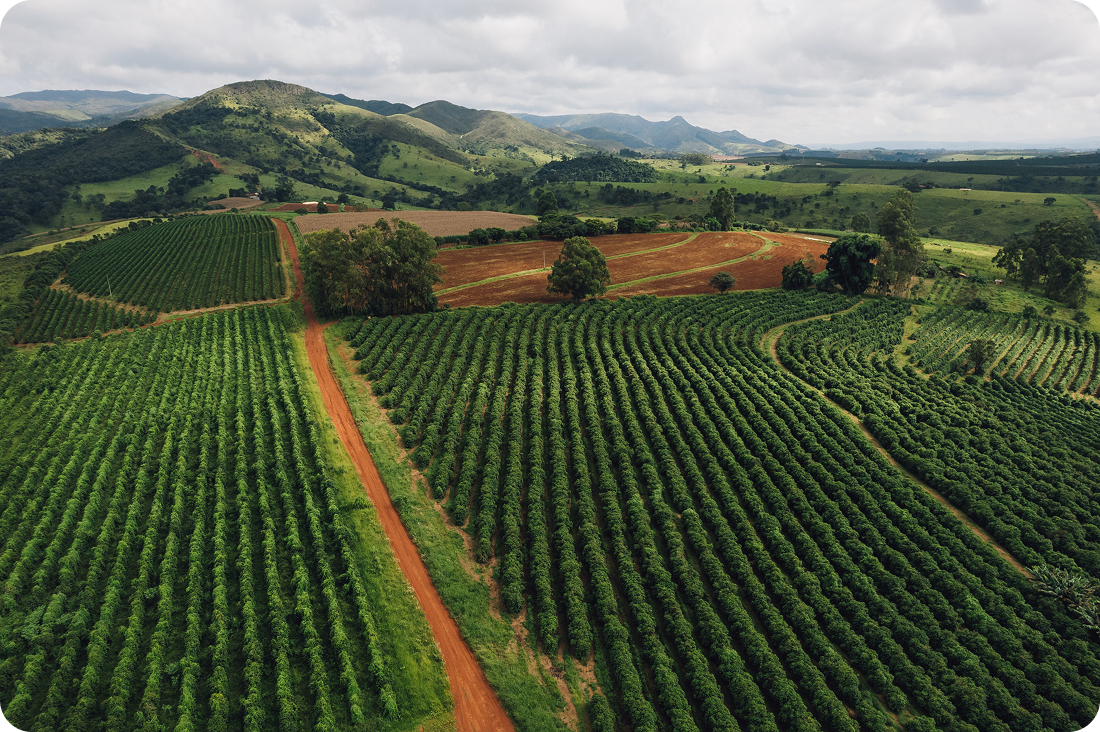
Commercial farms stretch across thousands of acres. Satellite connectivity lets operators monitor soil, equipment, and crop conditions in real time, even in areas where cellular coverage doesn't exist.
Transportation
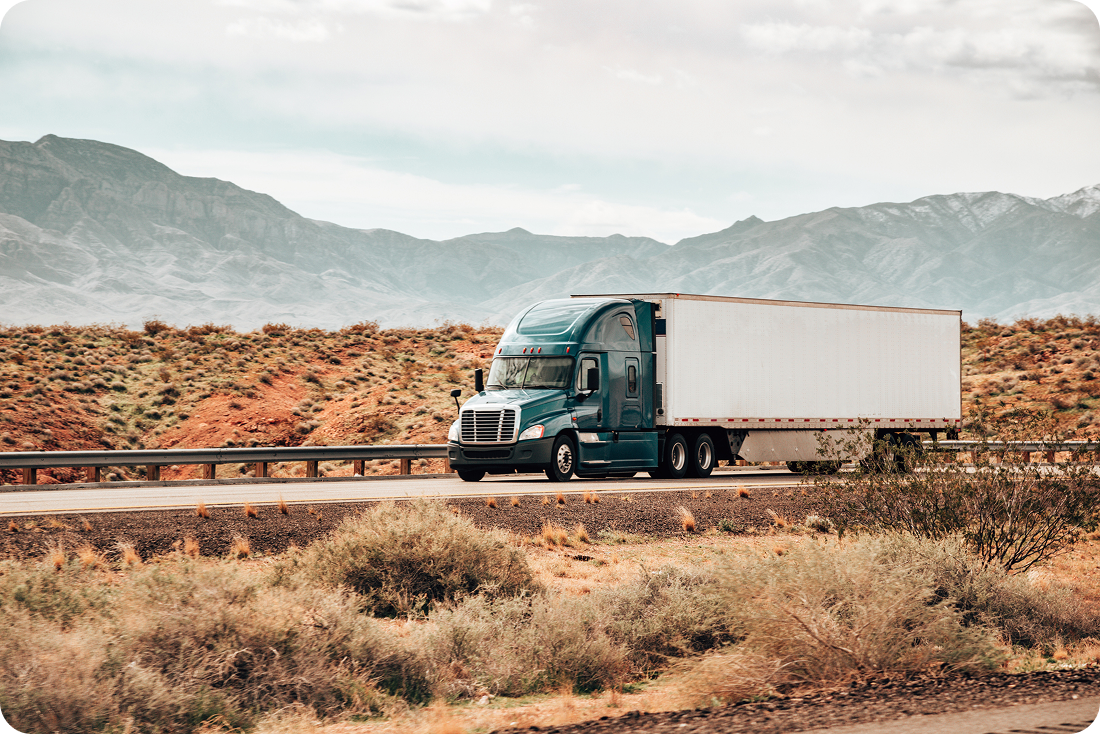
Long-haul trucking and rail routes cross regions where terrestrial networks are thin. Satellite provides a fallback that keeps location and status data flowing in the gaps.